
High-density signal acquisition
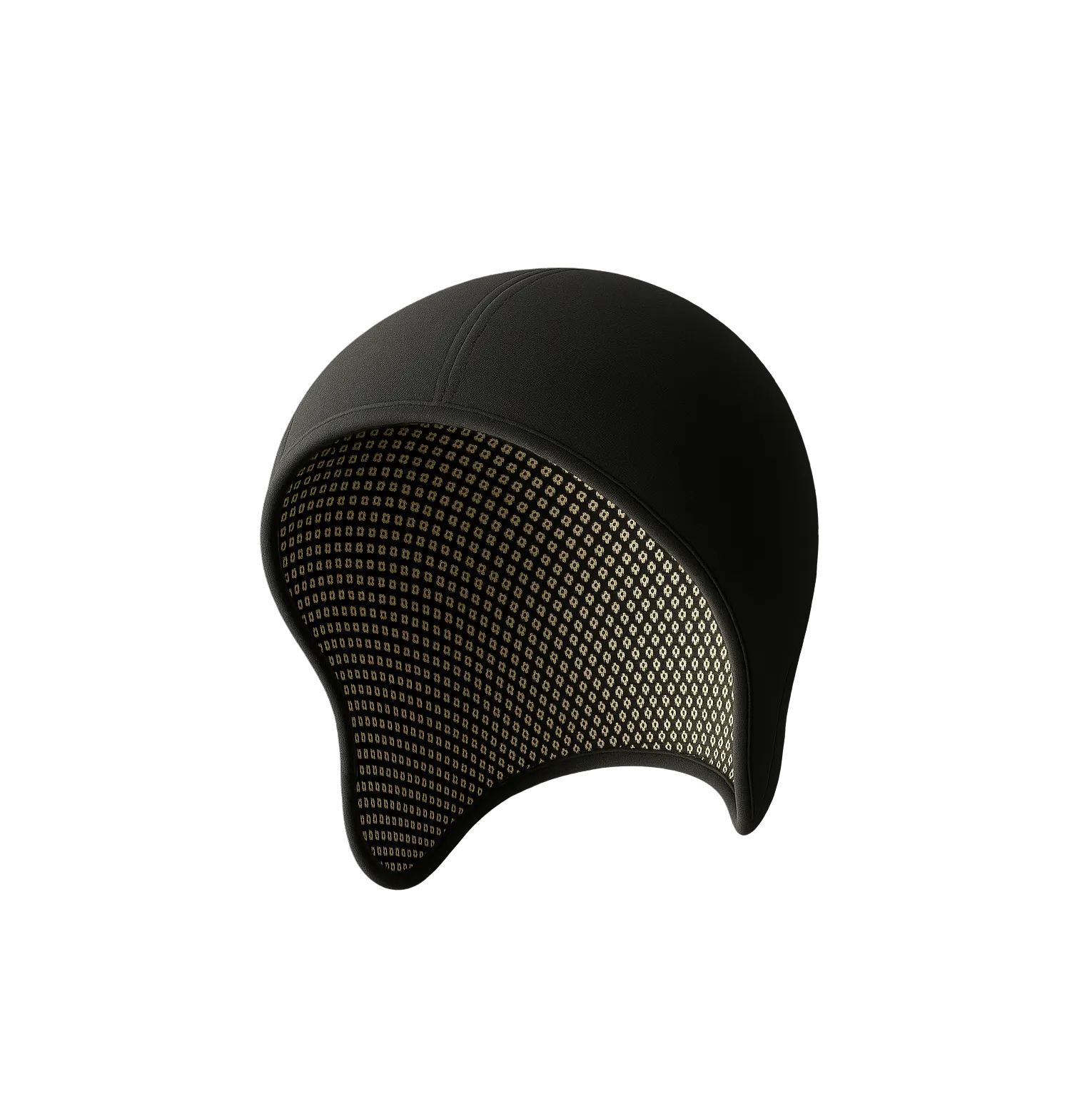
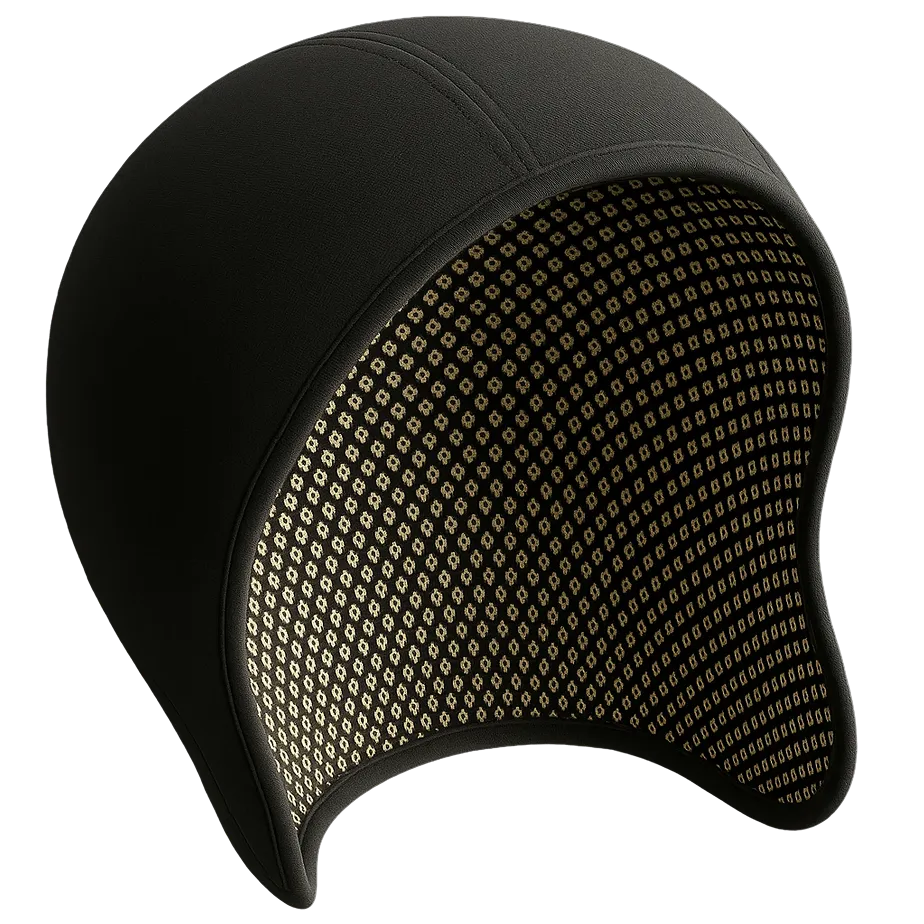
A 256-channel, fabric-based EEG cap that patients can wear like a beanie, delivering hospital-grade EEG instantly, without a technician or glue.
Advised by clinical researchers in epilepsy.
Backed by:
Developed by leading signal-processing researchers with peer-reviewed publications.
The Status Quo Is Slow, Invasive, and Expensive
Feedback from epileptologists indicates
3+ week delay to start an ambulatory EEG
Requires a technician home visit with glue, wires, and cameras
Lifestyle disruption, no showers, limited mobility
15% patient drop-off due to inconvenience + cost
High financial burden, multi-thousand-dollar technical fees
No real-time data, clinicians wait 1 week post-study for results
No rapid EEG available outside the ICU for urgent cases
Outpatient ambulatory EEG today is limited to a small number of service providers.
A Smart, High-Density EEG Cap for Home or Clinic
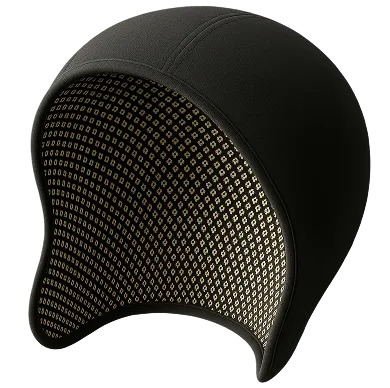
Neuralace replaces the technician, the adhesive, the bulky hardware, and the delays with a lightweight, high-density EEG cap (<200g) that patients can apply themselves.
Key Features
- 64–256 channel high-density EEG
- Wearable fabric cap (beanie/baseball style)
- Self-applied by patient in minutes
- No adhesive, no glue, no abrasion
- Wireless streaming to phone or laptop
- 24-hour battery + 30-minute rapid recharge
- Real-time EEG access for clinicians
- Automated electrode localization using a photo
- Dense sensor architecture enabling spatial accuracy
Tech-Free Workflow
Patients self-apply; no EEG tech needed. Clinics need no EEG machine or monitoring hardware.
Immediate Monitoring
Start EEG same day without coordinating a technician or scheduling a multi-week visit.
Real-Time EEG Access
Clinicians check signals instantly, not a week after the study.
Transformative for Private Practices
Private practices can adopt Neuralace in days, not months, unlike hospital committees.
Use Cases
Research Applications Under Investigation.
Neuralace is being developed to support research applications in extended ambulatory EEG recording, home-based longitudinal signal collection, and investigator-led studies of high-channel-count wearable EEG. All applications are investigational and subject to FDA clearance of the device for clinical use.
Research partner waitlist